
 Call
Call 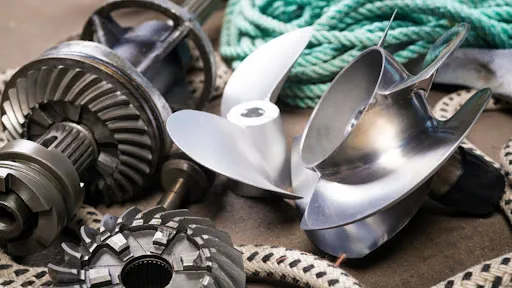
Boat parts & accessories cover everything from engine components to safety gear, and buying the wrong ones can cost you time, money, and reliability out on the water.
This guide breaks down what beginners actually need to know before buying, without assuming you already speak the language of marine parts catalogues or motor specifications.
Whether you’re replacing a worn part or building a safety kit from scratch, the same basic principles apply.
Why Choosing the Right Boat Parts & Accessories Matters
Boat parts & accessories aren’t interchangeable just because they look similar. The wrong fit can affect performance, safety, and the lifespan of a part.
Accessories carry the same weight. A cheap life jacket or an incompatible battery charger can fail exactly when you need it most.
Getting both right from the start usually costs less overall than replacing a poor choice twice down the track, and it saves the frustration that comes with it.
Essential Boat Parts Every Beginner Should Know
Most boats share a handful of core parts: the hull, engine or motor, propeller, steering system, and electrical system, regardless of size or type.
- Hull: the boat’s body, which determines stability and how it handles different water conditions.
- Engine or motor: the power source, whether outboard, inboard, or sterndrive.
- Propeller: converts engine power into forward motion and must closely match your motor’s specifications.
- Steering and electrical systems: control direction and run everything from navigation lights and marine electronics to bilge pumps.
Knowing these basics helps you describe what you need accurately when buying replacement parts, rather than guessing based on how something looks.
Essential Safety Accessories to Keep Onboard
Safety accessories aren’t optional extras. Several categories are required or strongly recommended under Australian boating regulations, depending on your state and where you’re travelling on the water.
| Category | Examples | Why It Matters |
|---|---|---|
| Flotation | PFDs (life jackets) for every person onboard | Legally required in most cases, prevents drowning |
| Signalling | Flares, EPIRB, waterproof torch | Helps rescuers find you if something goes wrong |
| First aid & fire | First aid kit, fire extinguisher, bucket | Covers the two most common onboard emergencies |
| Maintenance | Cleaning products, spare fuses, basic tools | Stops small problems becoming bigger ones on the water |
Life Jackets and Flotation
Every person onboard needs access to a properly rated life jacket, or personal flotation device, that fits their weight and suits the activity they’re doing.
Signalling and Emergency Gear
Flares, an EPIRB, and a waterproof torch help rescuers find you if something goes wrong, especially when you’re far from shore or outside mobile phone range.
Exact requirements vary by state and distance travelled, so it’s worth checking the AMSA safety equipment checklist before heading out.
First Aid and Fire Safety
A stocked first aid kit and a compliant fire extinguisher cover two of the most common onboard emergencies: injuries and fuel-related fires that start quickly.
Cleaning & Maintenance Accessories
Cleaning products, spare fuses, and basic tools keep smaller problems from turning into bigger ones once you’re already out on the water and can’t just pop to a shop.
How to Choose the Right Boat Accessories
Choosing the right boat accessories starts with matching them to how you actually use your boat, not just what looks useful in a catalogue or on a shelf.
- Check compatibility with your boat’s size, motor type, and existing setup before buying anything new.
- Prioritise safety items first, then move on to convenience accessories like storage or electronics.
- Read the specifications, not just the product photos, since fit details often live in the fine print.
A short checklist before buying saves far more time than returning the wrong item later on, and it avoids the hassle of a second order.
Tips for Buying Quality Boat Parts & Accessories Online
Buying boat parts online is convenient, but it comes with a few extra risks compared to buying in person from a physical marine store.
- Confirm the exact make, model, and year of your boat or motor before placing an order.
- Look for clear return policies, since fitment issues are common with parts bought online sight unseen.
- Check reviews specifically from buyers with the same boat or motor type, not just general star ratings.
The same care applies to buying boat accessories, especially anything safety-related, which must meet a recognised standard rather than just looking good.
Why Buy Boat Parts & Accessories from a Trusted Marine Supplier?
A knowledgeable supplier can confirm fitment before you buy, rather than leaving you to guess from a product listing and photos alone.
Genuine or properly rated parts also tend to last longer and come with warranty support that generic alternatives often lack, which matters if something fails early.
Buying Boat Parts & Accessories: What It Comes Down To
Getting this right isn’t about buying the most expensive option available. It’s about matching parts and accessories to your specific boat and how you actually use it on the water.
Start with safety essentials, confirm fitment before buying, and treat cheap shortcuts on critical gear as a false economy rather than a genuine saving.
Frequently Asked Questions
What's the main deck of a boat called?
On most recreational boats, it's simply called the deck or the main deck. Larger vessels sometimes use more specific terms for different deck levels.
What accessories are required on a boat?
Requirements vary by state and vessel type, but life jackets, fire extinguishers, and signalling equipment like flares are commonly required across Australian waters, particularly further from shore.
How do I know if a boat part fits my motor?
Check your motor's make, model, year, and part number against the manufacturer's compatibility list, or confirm directly with a supplier before ordering anything.
How often should I inspect boat accessories?
Check safety gear, such as life jackets and fire extinguishers, before every trip, and give the rest of your accessories a thorough inspection each season or after long storage.
 9 Altona Street
 08 9433 2224
